
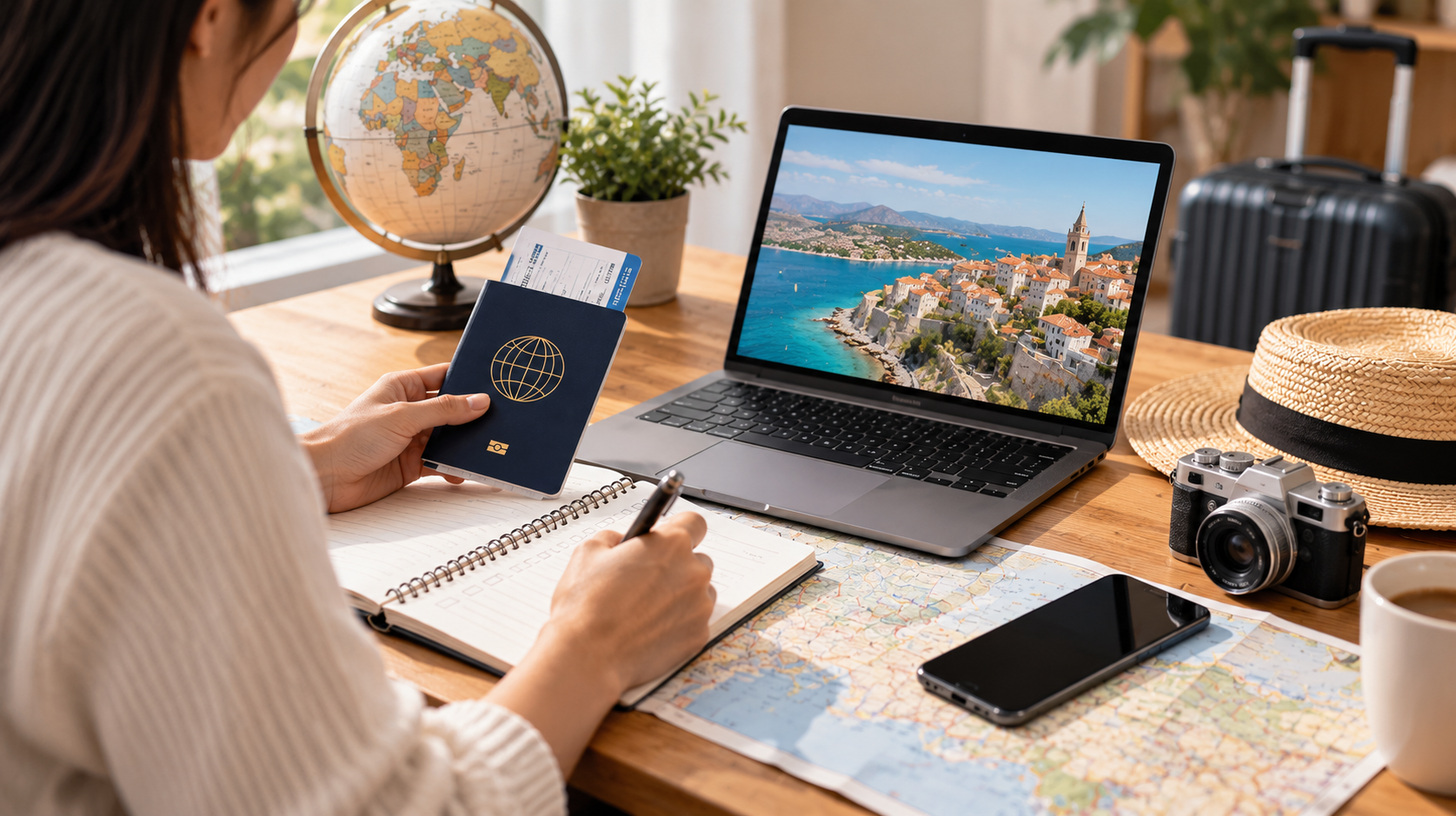
Your hotel booking starts before your flight arrives. Your cover letter names another city. Suddenly, a simple trip looks confusing.
A reliable travel plan shows where you’re going, why, how you’ll pay, and when you’ll leave. You don’t need to plan every hour. The journey just needs to make sense on paper.
Check the visa rules first. Depending on your destination, you might need a Schengen document checklist, UK visitor guidance, US embassy instructions, or a more specific resource like Filipinos guide to visas entry rules if you’re looking into a trip to Qatar. Each situation comes with different requirements. Check the official rules for your passport and visa type before making any bookings.
What should a travel plan include?
A good travel plan doesn’t need to be long, but it should be clear, realistic, and consistent with your visa application. Here are the key details to cover:
1. A clear reason for the visit
Say what brings you there. For a holiday, name the cities you want to explore. For business or study, mention the meetings, event, or course. If you’re visiting family, say who you’re seeing and where they live. Make sure the purpose fits your visa category.
2. Travel dates that fit the trip
Give yourself time for what you’ve planned. Three cities in two days? Probably too much. A longer stay needs enough detail to explain your plans, but there’s no need for an hourly schedule.
3. A sensible flight route
Your route should fit your first destination and final stop. Connections are fine if the airports and layovers work, but check the entry and transit rules for your passport. That might mean reading a travelling to Qatar guide for Filipinos before a visit to Doha, or checking official transit requirements if you’re only changing planes. Some airports are far from the city center, too.
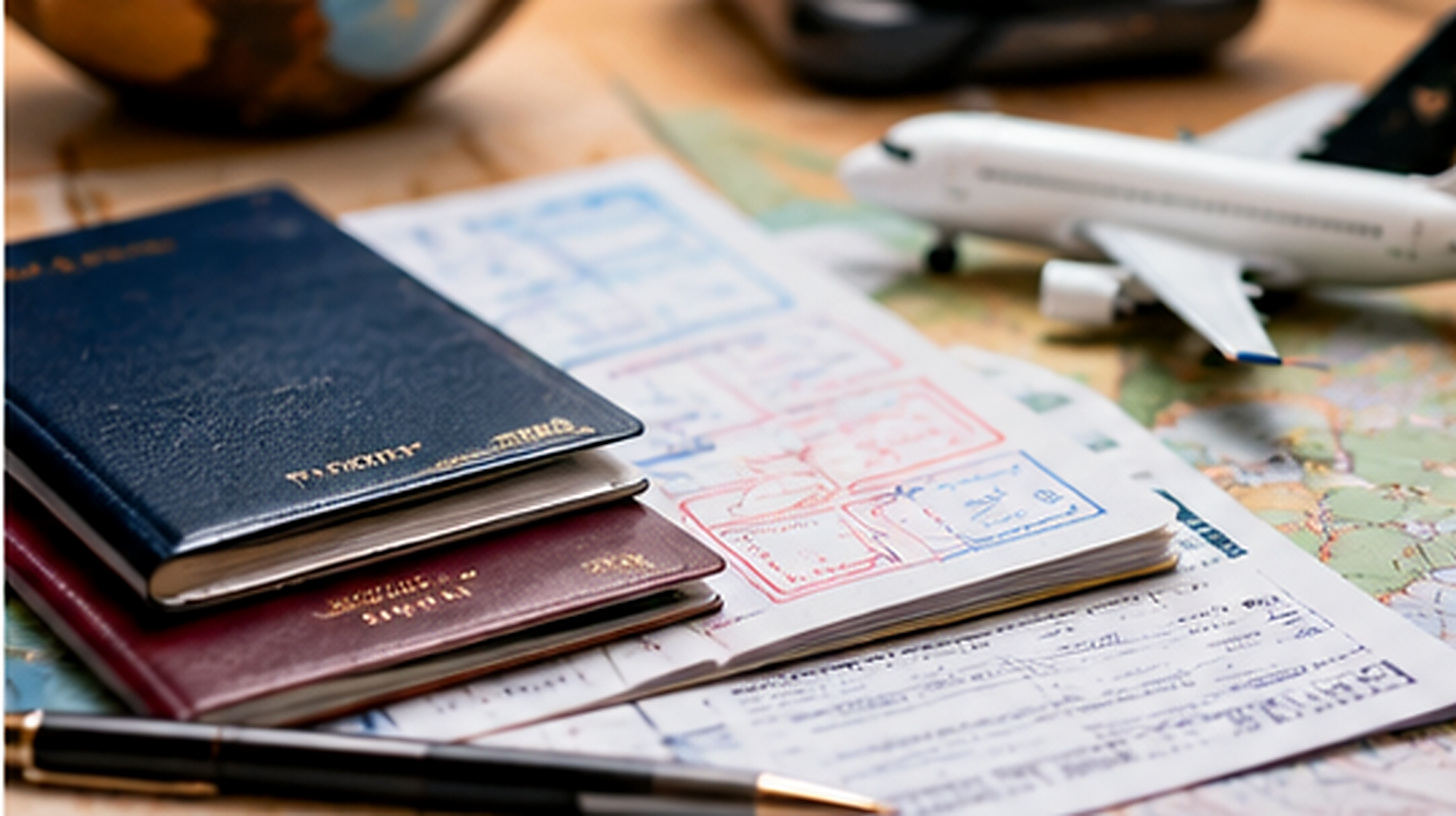
You’ll see the term dummy ticket for visa online. Don’t let it fool you: a reservation must be real and verifiable. Never submit a fake confirmation or pass off a hold as a paid ticket.
4. Accommodation for the whole stay
Show where you expect to sleep each night. For a multi-city trip, hotel check-in and check-out dates should follow your route. Staying with a friend or relative? Include their address and any host documents the visa office requests.
5. Activities with room to breathe
Choose a few things to do in each place. Leave time for airport transfers, meals, rest, and delays. A schedule that sends you across the country right after landing may look rushed because it is.
6. A budget you can explain
Estimate transport, accommodation, meals, insurance, and daily costs. Your savings, income, or sponsor’s support should make that budget realistic. You don’t need a luxury trip. You need to show how you’ll pay for your own.
7. A clear departure plan
Explain how and when you intend to leave. A return or onward reservation may help when required. Work, studies, family ties, and other commitments at home can also support your plans. No single document guarantees a visa.
Which documents should tell the same story?
Read your application form, itinerary, and cover letter side by side. Do the purpose, route, length of stay, and budget agree? Flight and hotel details should match where bookings are required. One missing night can raise questions.
Check the other evidence, too. Does your approved leave cover the visit? Does an invitation show the right address? Does insurance cover the required period? Can your finances support the cost?
The paperwork varies by trip, and so does the research. You might be checking a Schengen visa checklist, UK visitor guidance, or searching for a travelling to Qatar guide for Filipinos. Whatever your destination, double-check the requirements with official sources and fix any gaps before submitting.
How can you make the plan more convincing?
- Start with the application form. Choose your destination and travel window first. If they change, update every related document. Don’t leave two versions of the trip in one file.
- Follow the route on a map. Put cities in a sensible order. Allow time for trains, transfers, and border checks. Flying into one city and out of another? Explain it in a line or two.
- Check every booking detail. Names should match your passport, and travel details should agree across documents. Never label a temporary hold as a purchased ticket.
- Keep your options open. Choose bookings you can change or cancel where possible. A provisional plan can still be specific and truthful.
Before submitting, ask yourself: could a stranger follow your journey from arrival to departure without guessing? If not, fix the gaps.